
Addionics
Year:
2024 - 2026
Service:
End-to-end Data infrastructure
Industry:
Energy Tech
Size:
70–100 employees
Client Website:
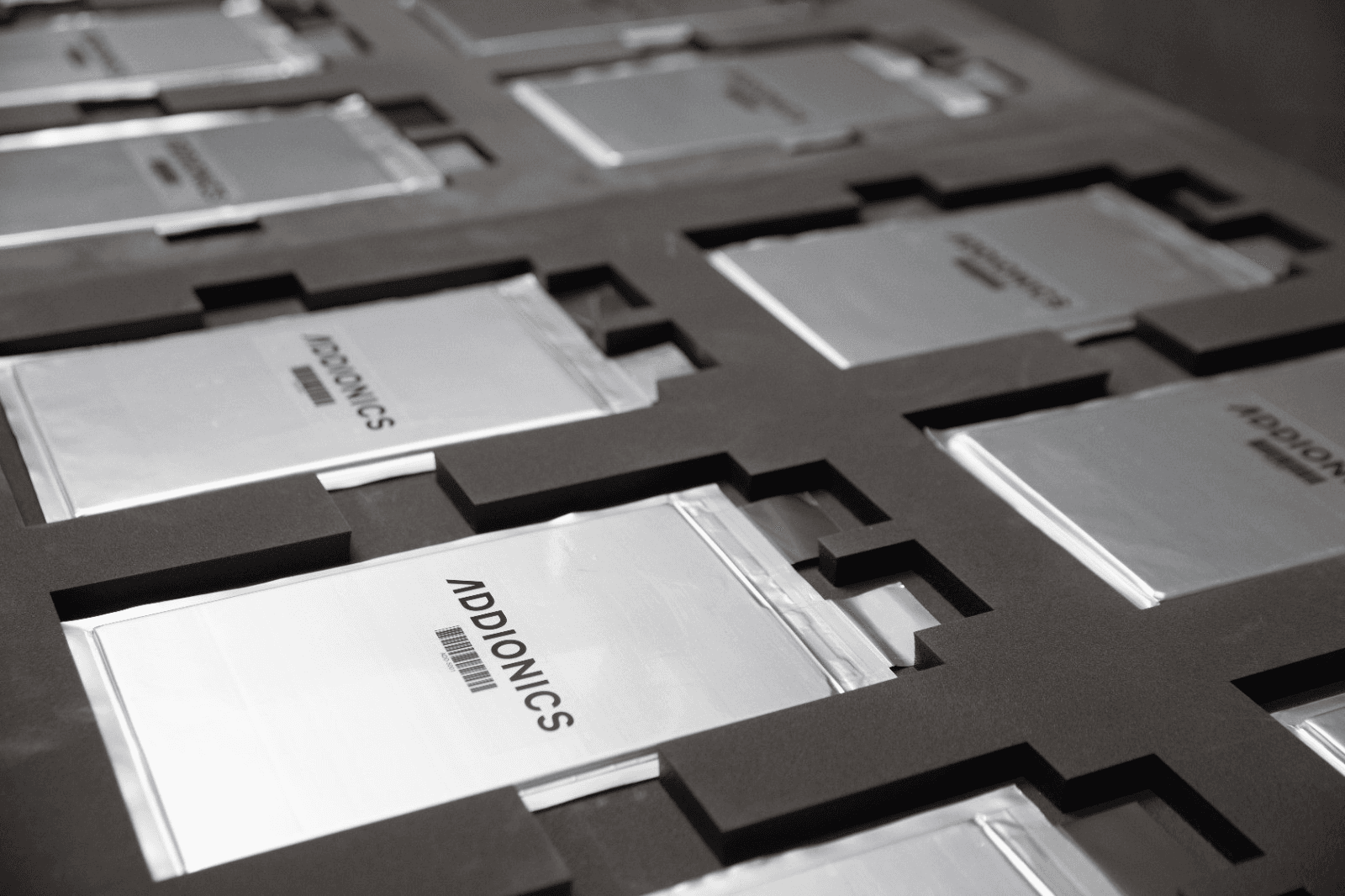
Addionics is redefining the energy storage landscape with its proprietary 3D current collector technology. With over $85M in funding and partnerships with global automotive giants, the company has moved rapidly from a high-potential startup to a dominant industry player.
As the team grew toward 100 employees and product demand surged, Addionics recognized a pivotal moment: the flexible, manual data processes that fueled their early breakthroughs needed to evolve into a sustainable, automated infrastructure capable of supporting global scale. To maintain their R&D velocity, they chose to transition from foundational spreadsheets to a sophisticated, centralized data intelligence system.
Challenge - scaling success
In the early stages of any deep-tech company, agility is everything. For Addionics, this meant using versatile tools like Excel and shared drives to move fast. However, as the company entered its growth phase, the sheer volume of data generated by their world-class engineers reached a tipping point.
Increased Data Complexity: With every new partnerships and technical milestones, the amount of electrochemical test results and manufacturing parameters grew exponentially.
The Need for Global Synchronization: With teams operating across different regions, the reliance on manual data sharing was no longer the most efficient path. The goal was to ensure that a scientist in the UK and an engineer in Israel were always working from the same "single source of truth."
Maintaining Momentum: As the team expanded, "institutional knowledge" needed to be digitized. Addionics wanted to ensure that every experiment was instantly searchable and actionable, allowing their experts to focus 100% of their time on innovation rather than data administration.
Solution - a sustainable foundation for growth
Atomic Systems partnered with Addionics to design a data ecosystem built for the long term. This wasn't about replacing "old" ways, but about transforming the data pipeline to match the company’s industry-leading status.
Automated Data Capture: We integrated directly with battery cyclers and lab equipment. This shift from manual entry to automated ingestion ensured total data integrity and freed up hundreds of hours for the R&D team.
Centralized Intelligence Hub: We moved away from fragmented files into a structured, interconnected database. This allows Addionics to trace a battery formulation from its initial concept through to final manufacturing validation in a few clicks.
Operational Visibility: We deployed real-time dashboards and COA that provide leadership with a high-level view of R&D velocity. This allows for data-driven decisions on resource allocation and project prioritization as the company continues to scale.
The Implementation: Collaborative Integration
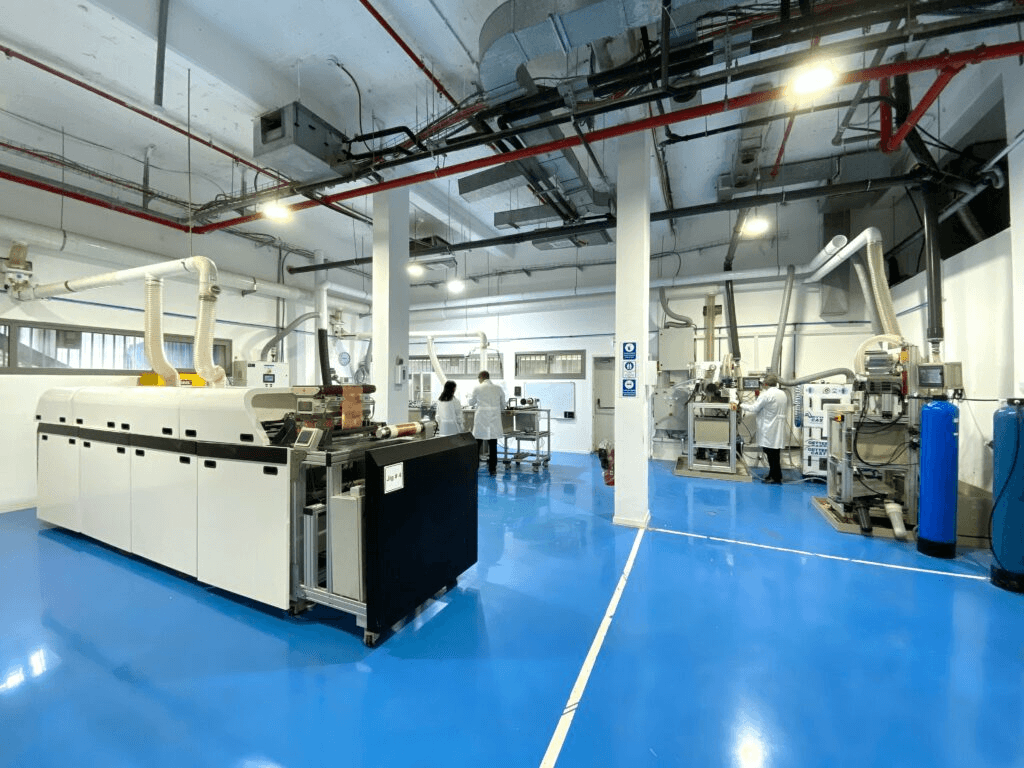
A change of this scale requires more than just code, it requires a deep understanding of the scientific workflow. We embedded with the Addionics team to ensure the new system felt like a natural extension of their lab environment. The rollout was phased to ensure zero downtime for ongoing experiments.
The Impact: Ready for the next billion
Few months into the transition, the infrastructure has become a core pillar of Addionics’ operations:
Standardized Global Workflows: Teams across the US, UK, and Israel now operate on a unified platform, eliminating friction in cross-border collaboration.
Operational Efficiency: By automating routine data handling, the time required for comprehensive data analysis has been cut by 60%.
Enterprise-Grade Adoption:
1.8M+ structured data points captured within the first year.
22,000+ platform interactions, reflecting deep integration into daily lab workflows.
Global Sync: 50 unique users across R&D, manufacturing, and quality teams in the UK, US, and Israel.
Long-Term Business Impact
The move to a professionalized data infrastructure has solidified Addionics’ position as an industry leader:
Increased R&D Throughput: With administrative bottlenecks removed, the team can iterate on battery chemistries faster, shortening the time-to-market for critical energy storage solutions.
Data-Backed Decision Making: Capital allocation and project prioritization are now driven by comprehensive data correlation rather than anecdotal evidence.
Ready for Global Expansion: The system is built to scale alongside the company. Whether adding new production lines or opening new R&D centers, the data infrastructure is ready to support 10x growth without additional overhead.
Investor Readiness: Detailed, transparent reporting on R&D velocity and success rates provides a high level of confidence for current and future funding partners.
The Bottom Line: Addionics didn't just change how they store data, they matured their operations to meet the demands of the global fast-paced automotive market. With a sustainable, automated infrastructure in place, they are perfectly positioned to lead the next generation of energy storage.